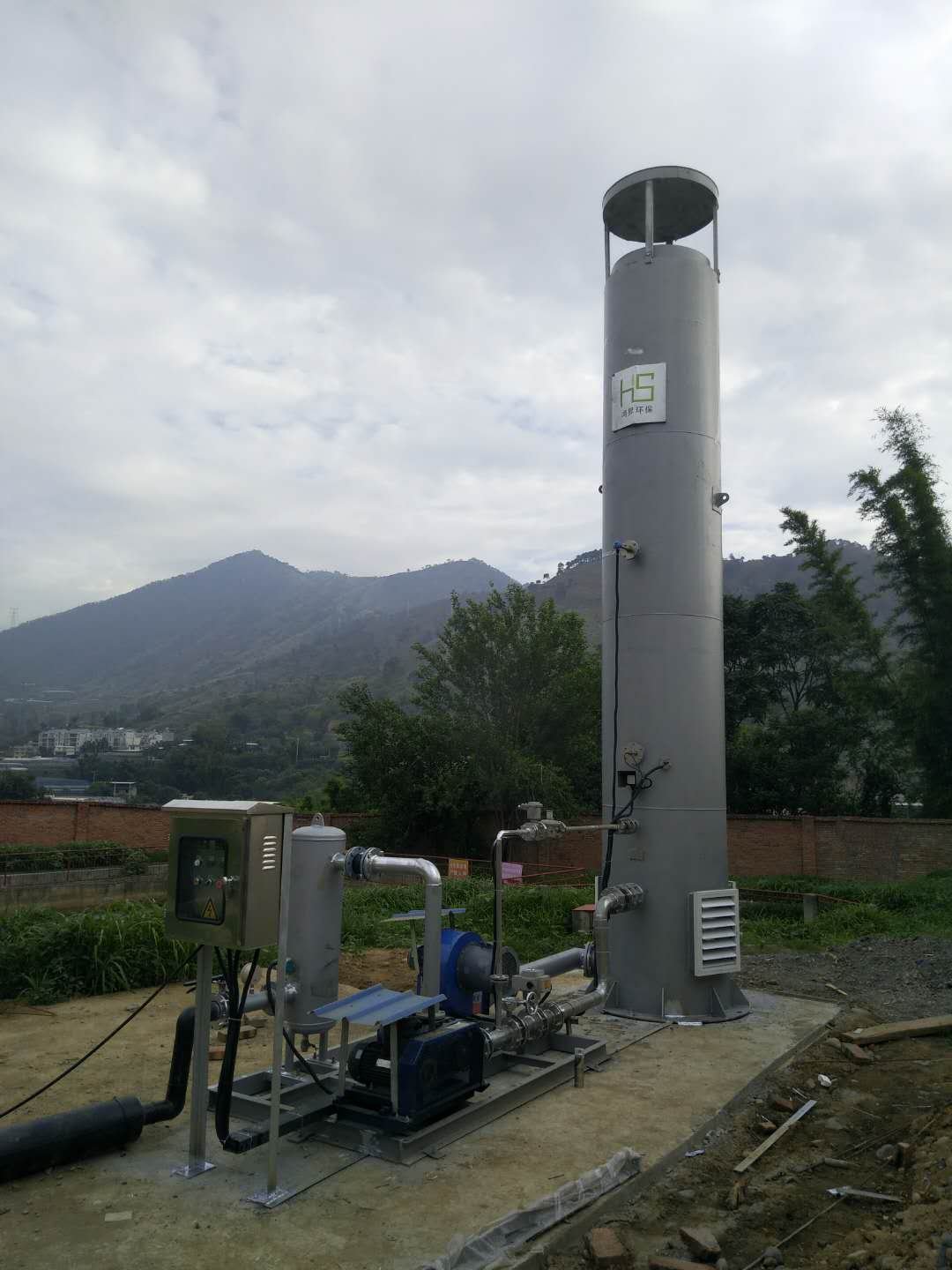
Industrial wastewater treatment and organic waste management are important challenges for many manufacturing industries. Food processing plants, agricultural facilities, beverage factories, and other industrial operations generate large quantities of organic waste that require effective treatment.
An industrial anaerobic digester provides a biological solution by using microorganisms to break down organic materials in an oxygen-free environment. During this process, organic matter is converted into biogas and digestate, creating opportunities for waste reduction and renewable energy recovery.
With appropriate engineering design, anaerobic digestion systems can become an important part of industrial wastewater treatment, agricultural waste management, and sustainable energy production.
What Is an Industrial Anaerobic Digester?
An anaerobic digester is a sealed treatment vessel designed to decompose biodegradable organic materials without oxygen.
Inside the digester, specialized microorganisms break down organic compounds through a series of biological reactions. The process generates biogas, which mainly contains methane and carbon dioxide.
Depending on the feedstock and system configuration, the remaining material is discharged as digestate, which may require further treatment or processing before disposal or beneficial use.
Industrial anaerobic digesters are commonly used for livestock manure, agricultural residues, food waste, organic wastewater, and other biodegradable materials.
How Does an Anaerobic Digester Work?
The anaerobic digestion process involves several biological stages that work together to convert complex organic materials into simpler compounds and biogas.
First, organic materials are introduced into the digestion system. Depending on the feedstock, pretreatment equipment may be required to remove impurities, reduce particle size, or adjust the material before digestion.
Inside the sealed reactor, microorganisms gradually decompose the organic matter under controlled operating conditions.
Biogas is generated during the biological process and collected through a dedicated gas handling system.
The remaining digestate is discharged for further treatment, separation, or appropriate utilization.
Four Main Stages of Anaerobic Digestion
Anaerobic digestion is generally divided into four interconnected biological stages.
Hydrolysis
During hydrolysis, complex organic materials such as carbohydrates, proteins, and fats are broken down into smaller soluble compounds.
This stage makes the organic materials more accessible to other microorganisms involved in the digestion process.
Acidogenesis
During acidogenesis, microorganisms convert the soluble compounds into organic acids, alcohols, hydrogen, and carbon dioxide.
Acetogenesis
Acetogenic microorganisms convert intermediate products into compounds such as acetate, hydrogen, and carbon dioxide, which can be used by methane-producing microorganisms.
Methanogenesis
During methanogenesis, specialized microorganisms convert acetate and hydrogen-containing compounds into methane and carbon dioxide.
These four stages must remain balanced to maintain stable digestion performance.
Main Components of an Industrial Anaerobic Digester
A complete industrial digestion system includes several components that support material handling, biological treatment, gas collection, and process control.
Digester Tank
The digester tank provides a sealed environment for anaerobic biological reactions. Its dimensions, construction materials, and insulation requirements depend on the feedstock, operating temperature, and project conditions.
Feeding System
The feeding system transfers prepared organic materials or wastewater into the digester at a controlled rate.
Mixing Equipment
Mixing equipment helps distribute organic materials, maintain contact between microorganisms and substrates, and reduce the formation of unwanted layers or deposits.
Heating System
Some digestion systems require heating equipment to maintain suitable biological operating temperatures. Insulation and heat recovery may also be incorporated into the design.
Biogas Collection System
The gas collection system transfers generated biogas from the digester to downstream storage, treatment, or utilization equipment.
Discharge System
The discharge arrangement removes treated digestate from the reactor while maintaining the required operating conditions.
Monitoring and Control System
Sensors and control equipment can monitor temperature, pressure, liquid levels, pH, and other important operating parameters.
Different Types of Anaerobic Digesters
Different digestion technologies are designed for different feedstocks, treatment capacities, and operating requirements.
Continuous Stirred Tank Reactor
A continuous stirred tank reactor, commonly called a CSTR, uses mechanical or hydraulic mixing to maintain relatively uniform conditions inside the digestion vessel.
This configuration is frequently considered for slurry, manure, food waste, and other organic feedstocks.
Plug Flow Anaerobic Digester
Plug flow digesters are designed to move relatively thick organic materials through a long reactor. They are commonly associated with certain agricultural waste applications.
Covered Lagoon Digester
Covered lagoon systems use an impermeable cover over an anaerobic treatment lagoon to collect generated biogas. They are often considered for suitable agricultural wastewater and manure applications.
High-Rate Anaerobic Reactor
High-rate anaerobic reactors are designed to treat wastewater with relatively high concentrations of biodegradable organic matter. UASB and IC reactors are examples of this treatment category.
The correct technology depends on feedstock characteristics, organic loading, required treatment performance, available space, and investment considerations.
Industrial Applications of Anaerobic Digesters
Anaerobic digestion can be applied across different industries that generate biodegradable organic waste.
Food Processing Industry
Food factories generate wastewater and organic residues containing carbohydrates, proteins, fats, and other biodegradable compounds. Anaerobic digestion can help reduce organic loads and recover biogas.
Livestock and Agricultural Industry
Animal manure and agricultural residues can be processed through anaerobic digestion to reduce organic waste volumes and produce renewable biogas.
Dairy Industry
Dairy processing facilities generate wastewater containing milk residues, fats, proteins, and other organic substances. Suitable anaerobic treatment systems can help manage these wastewater streams.
Brewery and Distillery Industry
Beverage production wastewater can contain high concentrations of biodegradable organic matter. Anaerobic treatment can reduce the organic load while producing biogas.
Municipal Wastewater Treatment
Sewage sludge can be stabilized through anaerobic digestion, generating biogas that may be recovered for energy applications.
Organic Waste Management
Food waste and other biodegradable materials can be processed in industrial digestion facilities as part of integrated waste management systems.
Benefits of Industrial Anaerobic Digesters
A properly designed anaerobic digestion system can provide several operational and environmental benefits.
- Reduces biodegradable organic matter in suitable waste streams
- Produces biogas for potential energy recovery
- Reduces the volume and biodegradability of certain organic wastes
- Requires less aeration energy than conventional aerobic treatment
- Can reduce excess biological sludge production compared with some aerobic processes
- Supports integrated waste management
- Can help improve resource utilization
- Suitable for various industrial and agricultural applications
Actual performance depends on feedstock composition, operating conditions, process configuration, and system management.
Biogas Production and Energy Recovery
One of the major advantages of anaerobic digestion is its ability to produce biogas from organic materials.
Methane is the main energy-bearing component of biogas. After appropriate treatment, biogas can be used in compatible boilers, engines, combined heat and power systems, or other energy conversion equipment.
A complete biogas utilization system may include:
- Biogas collection pipelines
- Gas cooling and condensate removal
- Hydrogen sulfide removal equipment
- Biogas storage systems
- Gas pressure regulation equipment
- Biogas flares
- Boilers or power generation equipment
Gas treatment requirements depend on the composition of the raw biogas and the specifications of downstream equipment.
Important Factors in Anaerobic Digester Design
Industrial anaerobic digesters should be designed according to actual feedstock characteristics and project objectives.
Feedstock Composition
Organic materials differ in carbohydrate, protein, fat, fiber, and inorganic content. These differences influence digestion performance and equipment selection.
Organic Loading Rate
The organic loading rate determines how much biodegradable material enters the reactor relative to its working volume. Excessive loading can cause acid accumulation and process instability.
Hydraulic Retention Time
For liquid digestion systems, hydraulic retention time is an important design parameter that affects the time available for biological treatment.
Temperature Control
Temperature influences microbial activity and digestion speed. Mesophilic and thermophilic digestion systems operate under different temperature conditions.
pH and Alkalinity
Maintaining suitable pH and alkalinity helps balance the biological stages and prevent excessive accumulation of volatile fatty acids.
Mixing Requirements
Mixing requirements depend on feedstock solids content, reactor configuration, and the risk of sedimentation or scum formation.
Mesophilic vs Thermophilic Anaerobic Digestion
Industrial anaerobic digesters commonly operate under mesophilic or thermophilic temperature conditions.
Mesophilic Digestion
Mesophilic digestion generally operates at approximately 30–40°C. It is widely used because it offers relatively stable biological operation and moderate heating requirements.
Thermophilic Digestion
Thermophilic digestion generally operates at approximately 50–60°C. It can provide faster biological reaction rates under suitable conditions and may offer additional pathogen reduction benefits.
However, thermophilic systems typically require more careful temperature control and may be more sensitive to operating fluctuations.
Temperature selection should consider feedstock properties, energy availability, treatment objectives, and project economics.
How to Select the Right Anaerobic Digester
Choosing suitable digestion equipment requires evaluating the complete treatment process rather than focusing only on tank volume.
Important selection factors include:
- Daily organic waste or wastewater volume
- Feedstock composition
- Total solids and volatile solids content
- COD and BOD concentrations for wastewater applications
- Required biogas production capacity
- Operating temperature
- Available installation space
- Mixing and heating requirements
- Digestate treatment requirements
- Local environmental and safety regulations
For complex industrial projects, feedstock analysis and laboratory or pilot testing can help determine the appropriate digestion configuration.
Anaerobic Digester Maintenance and Operation
Regular maintenance is important for maintaining stable digestion performance and extending equipment service life.
Operators should monitor important biological parameters and inspect mechanical components according to the manufacturer’s recommendations.
Common inspection activities include:
- Checking tank structure and corrosion protection
- Inspecting mixing equipment
- Monitoring heating system performance
- Checking feed and discharge pipelines
- Monitoring pH and temperature
- Reviewing biogas production and composition
- Inspecting gas valves and pressure control equipment
- Checking pumps, sensors, and control systems
Proper maintenance and process monitoring help identify operational problems before they develop into major system failures.
Pros and Cons of Industrial Anaerobic Digesters
Advantages:
- Suitable for many biodegradable organic waste streams
- Produces renewable biogas
- Reduces organic waste pollution
- Lower aeration demand than conventional aerobic treatment
- Can support energy recovery
- Applicable to multiple industrial sectors
- Can be integrated with wastewater treatment systems
Considerations:
- Biological start-up may require considerable time
- Temperature and pH require monitoring
- Feedstock composition can affect digestion stability
- Some materials require pretreatment
- Biogas requires appropriate handling and treatment
- Digestate may require additional processing
Frequently Asked Questions
What is an anaerobic digester used for?
An anaerobic digester is used to break down biodegradable organic materials without oxygen. Common applications include wastewater treatment, manure management, food waste processing, and biogas production.
What gas is produced by anaerobic digestion?
Biogas is produced during anaerobic digestion. It mainly contains methane and carbon dioxide, along with smaller quantities of other gases depending on the feedstock and process conditions.
What is the difference between an anaerobic digester and an anaerobic reactor?
Both terms describe equipment used for biological treatment without oxygen. However, anaerobic digester commonly refers to systems processing sludge, manure, or organic waste, while anaerobic reactor is frequently used for industrial wastewater treatment equipment.
How long does anaerobic digestion take?
Digestion time depends on feedstock characteristics, temperature, reactor configuration, organic loading rate, and operating conditions. Different materials require different retention times.
Can anaerobic digesters generate electricity?
An anaerobic digester itself does not generate electricity. It produces biogas, which can be used by compatible generators or combined heat and power systems to produce electricity and useful heat.
What industries use industrial anaerobic digesters?
Common applications include food processing, dairy production, breweries, distilleries, livestock farming, municipal wastewater treatment, and organic waste management.
Conclusion
Industrial anaerobic digesters provide an effective biological solution for processing biodegradable organic waste and wastewater while producing biogas for potential energy recovery.
By combining suitable reactor design, effective biological management, and reliable gas collection equipment, industrial facilities can improve organic waste treatment and make better use of available resources.
Selecting the right anaerobic digester requires careful evaluation of feedstock characteristics, treatment capacity, temperature, loading rate, and project requirements.
For manufacturers and industrial operators seeking integrated wastewater treatment and biogas solutions, anaerobic digestion can play an important role in building more efficient and sustainable treatment systems.